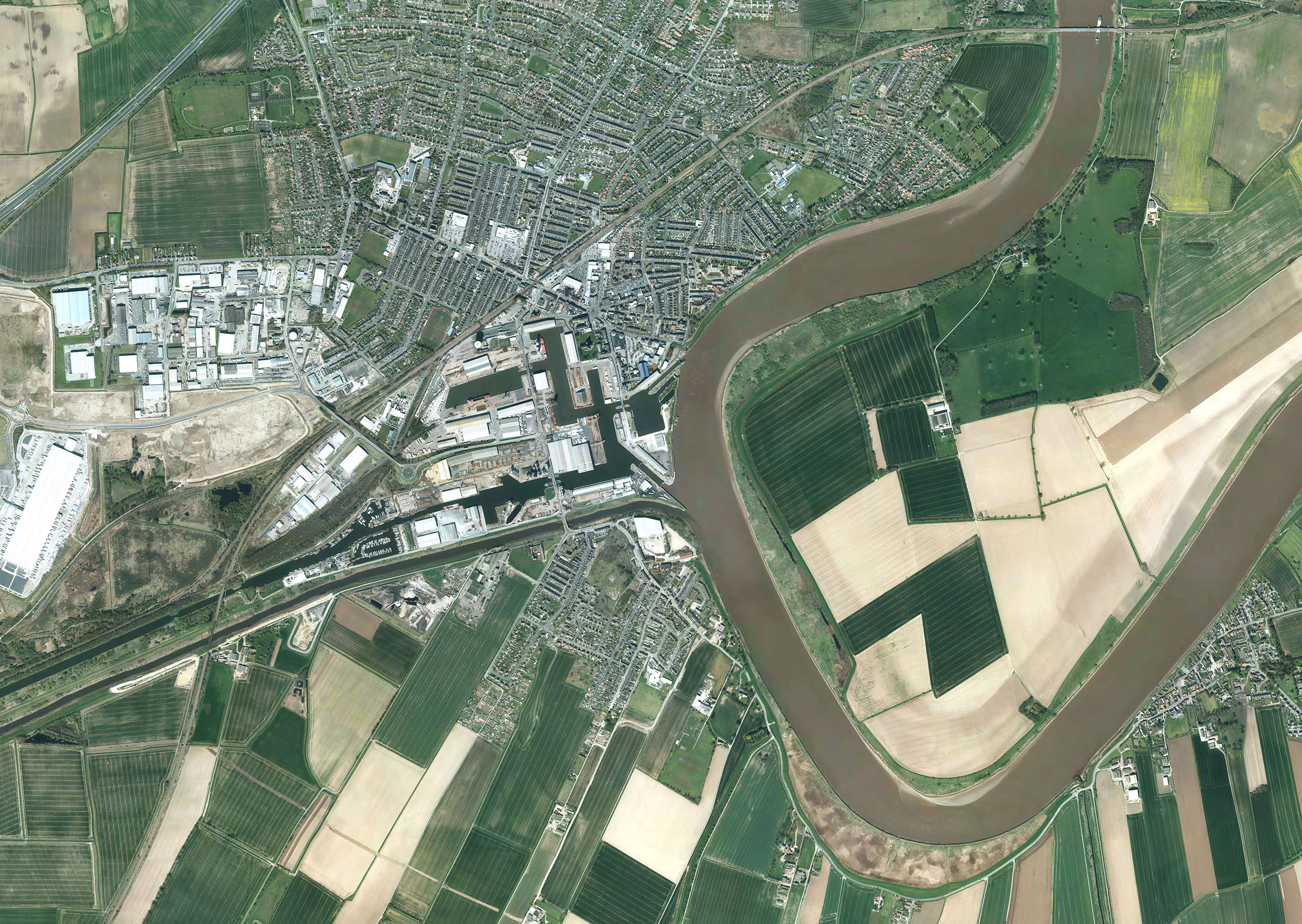
The Evolution of Aerial Photography: Techniques and Technologies
The evolution of aerial photography has been a fascinating journey, beginning in the early 19th century with the advent of balloon photography. Early pioneers like Gaspard-Félix Tournachon (Nadar) captured breathtaking images from the sky, paving the way for future advancements. As technology progressed, the introduction of photographic plates and lightweight cameras allowed for more practical aerial surveys. The use of aircraft in World War I marked a significant turning point, as military strategists recognized the potential of aerial reconnaissance. Techniques like oblique photography and stereophotography emerged, providing more detailed and informative images essential for mapping and strategic planning.
Fast-forward to the present day, the realm of aerial photography has been transformed by advancements in drone technology and multispectral imaging, making it more accessible and versatile than ever. Unmanned Aerial Vehicles (UAVs) have democratized aerial imaging, allowing hobbyists and professionals alike to capture stunning visuals with relative ease. Modern techniques include orthophotography and photogrammetry, which enable the creation of highly accurate maps and 3D models. Resources such as Digital Trends provide insights into how drones are reshaping this field, emphasizing their importance across various industries, from environmental monitoring to urban planning.
Top 10 Tips for Capturing Stunning Drone Shots
Capturing stunning drone shots requires a blend of technical skills and artistic vision. Here are the top 10 tips to elevate your drone photography game:
- Know Your Drone: Familiarize yourself with your drone’s settings and capabilities. Understanding your hardware will help you make crucial decisions while in the air.
- Plan Your Shots: Utilize flight planning apps to choose the best time and location for your shoot. The golden hour, just after sunrise or before sunset, is perfect for dramatic lighting.
- Play with Angles: Experiment with different angles and heights. Sometimes, the most unique shots come from off-kilter perspectives.
- Mind the Wind: Always check weather conditions before flying. Wind can significantly affect stability and shot quality, so avoid flying during gusty conditions.
5. Use Composition Techniques: Apply classic photography rules like the rule of thirds or leading lines to create visually appealing shots. This technique will help guide the viewer’s eye through your images.
- Invest in Quality Lenses: Quality lenses can dramatically improve the quality of your shots. Consider lens options suitable for your model; check Drone Blog for recommendations.
- Practice Maneuvers: Practice makes perfect. Familiarize yourself with various drone maneuvers to capture dynamic shots that add interest.
- Edit Thoughtfully: Post-processing can enhance your shots tremendously. Use editing software to fine-tune colors and improve the overall look of your images.
- Stay Legal: Always check local regulations. Understanding the rules of airspace will not only protect you but will also ensure a smooth shooting experience.
How Aerial Photography is Changing Our Perspective on the World
Aerial photography has fundamentally transformed our understanding of the world by providing stunning perspectives that ground-level views simply cannot offer. With the rise of drones and advanced camera technology, capturing high-resolution images from above has become more accessible than ever. These aerial views allow us to appreciate the intricacies of the landscape, highlighting features that might go unnoticed from the ground, such as patterns in agriculture, urban planning layouts, and the impact of climate change on natural resources. As noted by National Geographic, aerial photography unveils the beauty and complexity of our planet like never before.
Moreover, aerial photography serves as a powerful tool for storytelling and awareness. Organizations and environmental groups are utilizing aerial imagery to document the effects of deforestation, pollution, and urban sprawl, thereby encouraging public engagement and action. These visuals can evoke strong emotional reactions, showcasing how our actions directly affect the Earth. A BBC article highlights several projects where aerial photography has played a pivotal role in conservation efforts, providing compelling evidence to support the need for change.